What to know about access problems for New Barnet gardeners
If you have ever looked at a front or back garden in New Barnet and thought, "Lovely space, but how on earth do you get into it?", you are not alone. Access problems are one of the biggest reasons small jobs become awkward, slow, or more expensive than they first appear. This guide explains what to know about access problems for New Barnet gardeners, why they matter, and how to deal with them without turning a simple tidy-up into a headache.
In practice, access shapes almost everything: how tools are carried, whether waste can be removed safely, how long a job takes, and even which services are suitable in the first place. A narrow side gate, a basement-style rear entrance, a steep path, or limited parking outside the property can all change the plan. The good news? Most access issues can be handled with a bit of foresight, clear communication, and realistic expectations.
Why access problems matter
Access sounds like a small logistical detail, but it can quietly affect the whole job. If a gardener can't get equipment into the garden efficiently, the work slows down. If green waste has to be carried through a narrow hall or down several steps, there is more chance of mess, scuffs, or an awkward moment with a heavy bag. And let's face it, nobody wants a perfectly trimmed hedge followed by muddy footprints through the kitchen.
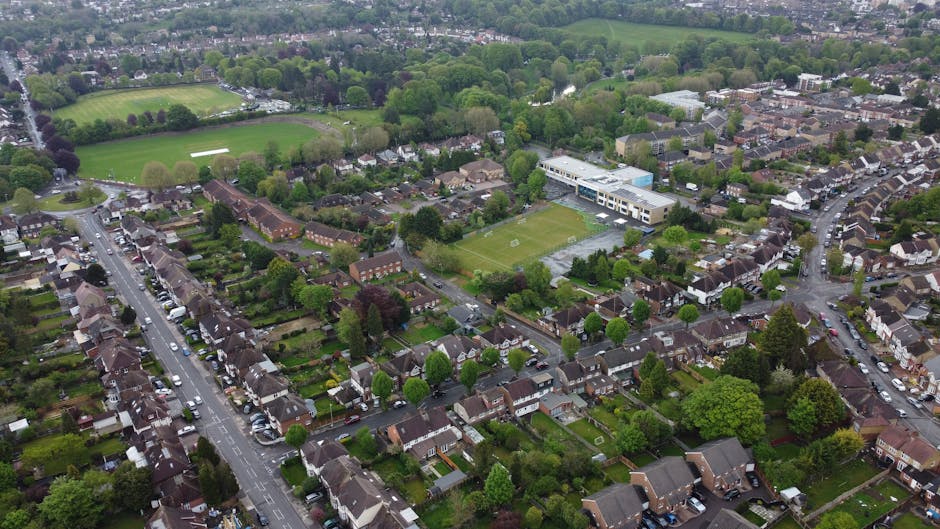
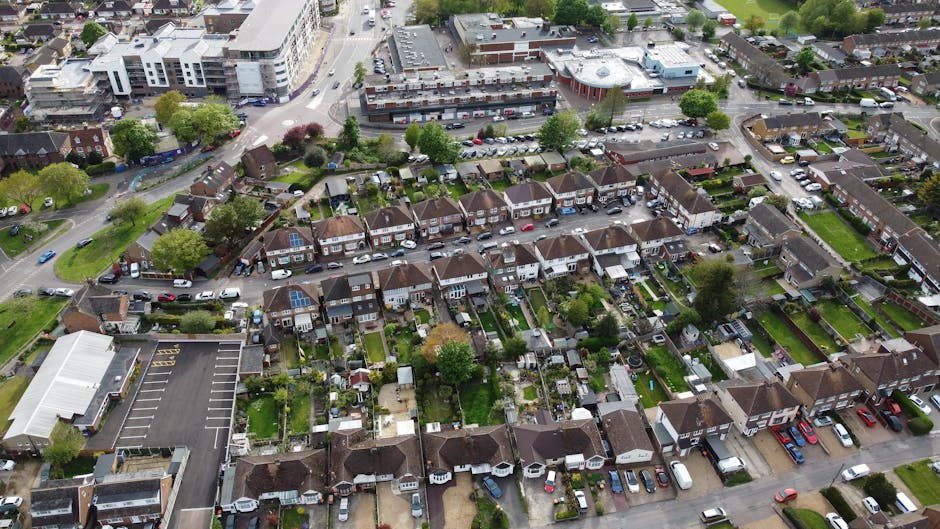
In New Barnet, gardens often sit behind terraced houses, split-level homes, small courtyards, or shared driveways. That means access can be tight even when the garden itself is not especially large. It also means the right approach is often more important than brute force. A tidy route for tools, a sensible parking plan, and agreement on where waste will go can save a surprising amount of time.
There is also a safety angle. Poor access can lead to lifting injuries, trips, accidental damage to gates and paving, or rushed work around obstacles. If a job involves hedge cutting, tree surgery, or moving heavy materials, access becomes even more important. For those kinds of tasks, it is worth reading about insurance and safety standards before the work starts.
Key point: access issues are not just about inconvenience. They influence cost, time, safety, and what kind of gardening work is actually practical.
How access issues affect garden work
When a gardener assesses a property, they are quietly asking a few practical questions: Can tools be brought in without difficulty? Can waste be removed without dragging it through the house? Is there space to set up equipment? Is parking nearby enough for loading and unloading?
Access problems usually show up in four ways:
- Physical access: narrow gates, steep steps, uneven paths, low clearances, or fragile surfaces.
- Vehicle access: limited parking, no driveway, controlled parking zones, or long carry distances from van to garden.
- Storage and working space: nowhere to place tools, turf, compost, or waste bags while the job is underway.
- Operational access: restricted timings, shared entrances, neighbours' vehicles, pets, or locked communal areas.
A simple lawn cut may still be perfectly manageable with tight access. A full garden clearance, on the other hand, might need more labour, more visits, or smaller equipment. That is why companies often ask for photos or a quick site description before confirming a quote. It is not fussiness. It is how they avoid underpricing the job and arriving with the wrong setup.
For example, if a rear garden can only be reached through the house, the team may need to protect flooring and limit the size of materials carried through. If the front path is too narrow for a wheelbarrow, waste may have to be bagged in smaller loads. Small things, yes, but they add up.
Key benefits and practical advantages
Thinking about access before work starts has a few very real benefits. Some are obvious, others only become obvious when something goes wrong.
- Faster job completion: less time spent moving tools around and more time spent on the actual gardening.
- Cleaner results: fewer muddy walk-throughs and less chance of clutter building up in the wrong place.
- Safer working conditions: better lifting, safer movement, and fewer trip hazards.
- More accurate quotes: the gardener can estimate labour and materials more fairly.
- Better service matching: the right service can be chosen for the access conditions, whether that is maintenance, clearance, hedge work, or landscaping.
- Less stress for the homeowner: nobody enjoys surprises on the day. Not when a mower won't fit, anyway.
There is a commercial benefit too. If you want a recurring service such as garden maintenance or lawn care, good access can make repeat visits more efficient over time. That can support more predictable scheduling and less disruption. If access is awkward, being upfront early often leads to a better plan than trying to "make it work" later.
You may also find that access-friendly choices improve the long-term usability of the garden itself. For instance, compact paths, better gate widths, or simpler borders can make seasonal maintenance much easier. Some homeowners discover that a small redesign is the real fix, not just a one-off tidy-up. If that sounds familiar, a broader look at landscaping may be more useful than repeatedly fighting the same bottleneck.
Who this is for and when it makes sense
This topic matters to more people than you might think. You may need to think about access if you are:
- in a terraced or semi-detached home with a narrow side passage;
- living on a street with limited parking;
- managing a back garden that is only reachable through the house;
- dealing with steps, slopes, or broken paving;
- preparing for hedge work, tree pruning, or a clearance;
- organising a one-off job after a long period of neglect.
It is also relevant if you have pets, children, or neighbours who use shared access. A dog that bolts through an open gate, or a toddler nipping out when someone is carrying a bag of green waste, can turn a calm morning into a very busy one. If pets are part of the picture, there are some helpful ideas in gardening for dog lovers.
For some jobs, access problems are minor and can be worked around. For others, they shape the whole job spec. That is why the sensible moment to raise access is before booking, not halfway through the first visit.
Step-by-step guidance
If you want a smoother experience, use a simple process. It does not need to be overcomplicated.
- Walk the route from street to garden. Notice gate width, steps, slopes, tight corners, and anything fragile.
- Check parking and loading space. Think about where a van can stop without blocking neighbours or inviting a complaint.
- Identify pinch points. A greenhouse, bin store, outdoor furniture, overgrown shrubs, or a narrow side return can all create problems.
- Decide what needs to move. Pots, furniture, bikes, toys, and bins can make a huge difference if they are moved in advance.
- Take a few clear photos. A quick photo of the entrance, access path, and working area helps the gardener plan properly.
- Be honest about restrictions. If access is only available at certain times, say so. If there is no parking nearby, say that too.
- Ask how waste will be removed. This is especially important for larger jobs where bags, branches, or soil must be taken away.
- Confirm the plan before the day of work. A short check-in can prevent a lot of awkwardness later.
One useful habit: pretend you are carrying a heavy bag of compost or a folded ladder through the route. That mental test often reveals little annoyances you would otherwise ignore. A step too high, a gate that catches, a latch that sticks. Tiny things. They matter.
Expert tips for better results
Here is the part that tends to save the most time. These are practical, low-drama improvements that experienced gardeners and property owners often use.
- Clear the access route the day before. Even a few plant pots or bikes can create a bottleneck.
- Keep gates working smoothly. A loose hinge or jammed latch can delay everything, especially if the team is arriving with tools in hand.
- Use the right equipment for the route. Smaller barrows, lighter bags, modular tools, and compact machines can be a better fit than "bigger is better".
- Protect the house route if needed. If access runs through hallways or kitchens, ask about mats, coverings, or a two-person carry plan.
- Schedule around busy household times. Avoid school runs, deliveries, or the exact moment your neighbour needs to reverse out of the drive. Life is like that sometimes.
- Allow extra time for awkward jobs. A hedge cut or clearance on difficult access rarely takes as long as the simplest estimate. It usually takes a bit longer.
If your access problem is tied to overgrown boundaries, hedges, or old climbing growth, solving the vegetation issue can improve access as much as any hardware fix. Useful reading on this includes advanced hedge techniques and ivy removal strategies. Dense growth can swallow a path before you realise it.
Another overlooked tactic is vertical organisation. If the garden is tight, reducing ground clutter can help a lot. A few carefully chosen shelves, wall planters, or stacked storage solutions may free enough room to make routine work easier. There is a good discussion of that approach in efficient vertical gardening ideas.
Common mistakes to avoid
Access issues usually become expensive when people assume they are small. Here are the mistakes that crop up most often.
- Leaving access details until the day of the job. This is the big one. It creates avoidable delays and sometimes forces a reschedule.
- Underestimating waste volume. A neat-looking pile can become several heavy loads once cuttings are collected.
- Forgetting about locked gates or shared entrances. If someone needs to be present to open access, make that clear in advance.
- Assuming all garden jobs use the same setup. Lawn mowing, patio cleaning, tree surgery, and landscaping all have different access needs.
- Ignoring fragile surfaces. Wet turf, old paving, decking edges, and painted thresholds can be easily damaged by heavy foot traffic.
- Choosing plants or features that block access later. It is easy to plant something lovely and then realise you've built a very attractive obstacle. Happens more than people admit.
Another mistake is treating access as purely a "gardener problem". In reality, it is a shared planning issue. The homeowner knows the household routines, neighbours, and oddities of the property. The gardener knows the practical work methods. Put the two together and the job usually goes smoother.
Tools, resources and recommendations
The right tools can make a difficult site feel much more manageable. You do not need a van full of specialist kit for every job, but a few well-chosen items help a lot.
- Compact wheelbarrows and carry sacks: useful where paths are narrow or there are several turns.
- Lightweight tarps: helpful for collecting cuttings without constantly retracing the route.
- Protective coverings: floor runners or mats can reduce scuffs when work passes through the house.
- Battery tools: often easier in tight spaces than equipment that needs dragging long leads around.
- Pruning saws, secateurs, and compact cutters: better for precise work when access is limited.
If you want a broader look at what tends to be useful on ordinary jobs as well as awkward ones, see indispensable garden tools. For jobs where the issue is not just movement but also ongoing maintenance, garden maintenance may be a better fit than one-off intervention.
Useful supporting pages on this site include pricing and quotes when you want to understand how access may affect the estimate, and health and safety policy if the job is likely to involve awkward lifting or restrictive routes.
Law, compliance, standards, or best practice
Access problems are not usually about complex legal rules, but there are still sensible standards and responsibilities to keep in mind. In the UK, safe working practice matters a great deal, especially where tools, lifts, ladders, or heavy waste are involved. If access requires crossing communal areas, working near neighbours' property, or using shared drives, it is best to be respectful and clear about timings.
From a practical standpoint, a few best-practice principles apply:
- Risk assess the route before work begins. This includes steps, slopes, lighting, surface condition, and any slip hazards.
- Plan safe manual handling. Split loads where needed. Heavy bags should not be carried in a way that forces awkward twisting.
- Respect neighbouring property and access. Don't block driveways or use shared areas carelessly.
- Keep clear communication. If something changes on the day, say so quickly rather than pushing on and hoping for the best.
- Consider accessibility needs. If the household includes someone with mobility issues, temporary changes to routes or working times may be needed.
For many jobs, the most helpful "standard" is simply a careful one: plan the route, keep the area tidy, and avoid forcing equipment through spaces that are too tight for comfort. That approach is good for the worker, good for the property, and good for the mood of the day.
If you want a fuller picture of how a reputable provider approaches trust and process, it is worth looking at about the company, terms and conditions, and complaints procedure. Those pages help set expectations before work starts.
Options, methods, or comparison table
Not every access issue needs the same fix. Sometimes you just need a better plan for the day. Other times the property benefits from a small design change. Here is a simple comparison to help you think it through.
| Approach | Best for | Advantages | Limitations |
|---|---|---|---|
| Careful one-off planning | Minor access issues, short jobs, regular maintenance | Quick to organise, low disruption, usually enough for routine visits | Won't solve a fundamentally difficult layout |
| Equipment adjustments | Narrow gates, limited turning space, tight pathways | Often avoids costly changes to the garden itself | May slow the job slightly and limit what can be carried |
| Route clearing and protection | House-through access, delicate flooring, cluttered yards | Reduces mess and protects surfaces | Needs preparation and cooperation from the homeowner |
| Garden layout adjustment | Recurring access problems, overgrown boundaries, cramped zones | Can create lasting improvement and easier maintenance | May involve a bigger upfront change |
In real life, the best answer is often a mixture. A difficult side passage may still be workable if waste is bagged differently, tools are compact, and the route is cleared in advance. A truly cramped rear entrance, though, may need a broader rethink. Sometimes the space is telling you what it wants, and it is best to listen.
Case study or real-world example
Here is a realistic New Barnet-style scenario. A homeowner wanted a long-overdue tidy-up after months of growth had pushed into the side return. The gate was narrow, the path had a couple of uneven bricks, and the only practical way into the garden was through the house. Not dramatic, but fiddly.
Instead of treating it as a standard visit, the plan was adjusted. The homeowner moved small furniture and bins the day before. Photos were shared in advance. The gardener brought lighter bags, used smaller cuts for the hedge waste, and protected the indoor route with coverings. The work took longer than a straightforward access property would have, but it was orderly and calm. No rush, no damage, no guesswork.
The interesting bit was what happened after the clean-up. Once the overgrowth was removed, the side access felt wider immediately. That is quite common. A route can seem impossibly tight when it is bordered by weeds, dead stems, old pots, and stray branches. Clear the space and suddenly there is breathing room again.
If the same garden had needed more structural help, the next step might have been edging, path repair, or redesigning a route to reduce the pinch point. For neglected spaces, a bit of planning goes a long way, and taming a neglected garden is often the right mindset before you start.
Practical checklist
Use this before booking or starting work. It is simple, but it saves a lot of trouble.
- Have I walked the full route from street to garden?
- Are there gates, steps, slopes, or tight corners that need attention?
- Do I know where the gardener can park or unload?
- Have I mentioned any shared access, locked doors, or neighbour considerations?
- Is the access route clear of bins, bikes, toys, and furniture?
- Have I taken photos of the access route and working area?
- Do I know where waste will be taken out and stored temporarily?
- Have I told the gardener about pets, timing restrictions, or fragile surfaces?
- Do I need a service plan rather than a one-off visit?
- Have I asked for a quote that reflects access conditions honestly?
Expert summary: the best access plan is the one that removes surprises. Keep the route clear, be honest about constraints, and choose a method that matches the property rather than forcing the property to match the job.
Get a free quote today and see how much you can save.
Conclusion
Access problems are a normal part of gardening in New Barnet, not a sign that a job is too difficult or not worth doing. They just need proper handling. Once you look closely at gates, paths, parking, waste removal, and working space, the whole project becomes easier to plan and much easier to live with afterwards.
Truth be told, many of the best results come from simple preparation rather than clever tricks. Clear the route, share the details early, and give the work room to happen. That is usually enough. And when access is truly awkward, it helps to think in terms of adaptation, not frustration.
Gardens should feel usable, not fought over. With the right approach, even a cramped or slightly awkward space can still be looked after properly, and that is a reassuring thing to know.
Frequently Asked Questions
What are the most common access problems for gardeners in New Barnet?
The most common issues are narrow gates, limited parking, steep steps, side returns with tight turns, and gardens that can only be reached through the house. Shared entrances and locked access can also slow a job down.
Why does access affect gardening quotes?
Access affects labour time, equipment choice, waste handling, and risk of damage. A garden that is easy to reach can be worked on faster than one where everything has to be carried through a narrow route, so the quote may need to reflect that.
Do I need to tell a gardener about access problems before booking?
Yes. It is much better to mention access issues early. A few photos and a short description usually help enough for the gardener to plan properly and avoid surprises on the day.
Can gardening still be done if the only access is through the house?
Usually, yes. The job may just need more care, more protection for indoor surfaces, and a better waste plan. Some tasks are easier than others, but house-through access is often workable.
What should I clear before a gardener arrives?
Move bins, bikes, furniture, toys, and anything that blocks the route. If possible, clear the path from the street to the work area and make sure gates can open fully.
How can I make a narrow side passage easier to use?
Keep it free of clutter, trim back overgrowth, check the paving for loose sections, and make sure any gates or latches work properly. Sometimes a small layout change makes the biggest difference.
Are access problems more serious for hedge cutting or tree work?
They often are. Hedge cutting and tree work can involve larger tools, more waste, and a need for safer working space. That is why access details matter even more on those jobs.
What if my property has no nearby parking?
That is fine, but it should be mentioned in advance. The gardener may need extra time for unloading or a different setup, especially if heavier equipment or large volumes of waste are involved.
Can access issues be solved by redesigning the garden?
Sometimes, yes. Better path widths, less clutter, smarter storage, or improved boundary planting can make a garden far easier to maintain over time. It depends on the layout and how often the problem comes up.
Is access just a convenience issue, or is it a safety issue too?
It is both. Poor access can increase the chance of slips, awkward lifting, trips, and damage to surfaces. Good planning protects people as well as property.
How do I know if a job is too difficult for my garden access?
Usually the answer comes from a proper site discussion. If a route is extremely narrow, steep, or obstructed, the gardener may suggest a different method, smaller equipment, or a phased approach. It is rarely about "too difficult" and more about "what is the safest, neatest way to do it?".
Where can I learn more about how this company handles access and safety?
You can read the site pages on insurance and safety, accessibility, and health and safety. Those pages help set expectations clearly.