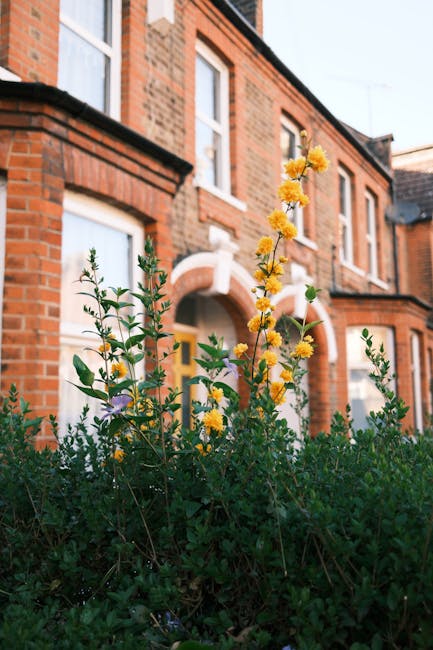
Park Road New Barnet garden services for small front gardens
If your front garden feels more like a narrow strip than a proper outdoor space, you are not alone. In Park Road, New Barnet, small front gardens have to work hard: they need to look neat from the street, stay manageable through wet winters and dry spells, and still feel welcoming when you come home. That is exactly where Park Road New Barnet garden services for small front gardens make a real difference. Done well, even the tiniest frontage can look calm, cared for, and quietly impressive.
This guide walks through what those services usually include, how the work is approached, and how to choose the right improvements for a compact space without overfilling it. You will find practical ideas for planting, pruning, edging, surfaces, and low-maintenance design, plus a checklist and a realistic example from day-to-day garden work. To be fair, small front gardens are often easier to improve than people think. They just need a sharper eye.
Table of Contents
- Why Park Road New Barnet garden services for small front gardens Matters
- How Park Road New Barnet garden services for small front gardens Works
- Key Benefits and Practical Advantages
- Who This Is For and When It Makes Sense
- Step-by-Step Guidance
- Expert Tips for Better Results
- Common Mistakes to Avoid
- Tools, Resources and Recommendations
- Law, Compliance, Standards, or Best Practice
- Options, Methods, or Comparison Table
- Case Study or Real-World Example
- Practical Checklist
- Conclusion
- Frequently Asked Questions
Why Park Road New Barnet garden services for small front gardens Matters
A small front garden is not just decorative. It shapes the first impression of the property, affects how easy it is to get in and out, and can either lift or drag down the whole look of a house. On a road like Park Road, where homes are seen close-up by neighbours, passers-by, and delivery drivers alike, tiny details matter more than people expect.
Small front gardens also tend to expose every little issue. A patch of weeds that might disappear in a larger border can dominate a compact bed. A hedge that has grown too broad can swallow the entrance. A tired lawn can make the whole frontage look flat and neglected. That is why focused garden services are so useful: they solve space problems rather than simply adding more plants.
There is also the practical side. Front gardens need to cope with foot traffic, bins, parked cars, shade from nearby buildings, and the odd bit of splash-back from the road. In New Barnet, weather can swing from damp to blustery quickly, so planting choices and maintenance routines need to be realistic, not idealistic. A beautiful front garden that collapses every winter is not really beautiful for long.
One thing we see again and again is that homeowners try to treat a small front garden like a mini back garden. That rarely works. A front garden needs clarity, structure, and restraint. That does not mean boring. It means smart.
How Park Road New Barnet garden services for small front gardens Works
Good small-front-garden work usually starts with a simple question: what do you want the space to do? Some people want privacy. Others want colour, a tidy entrance, or a low-maintenance layout that does not eat into their weekend. Once the goal is clear, the service can be shaped around it.
Most projects follow a familiar pattern. First comes a quick assessment of access, light, soil condition, drainage, existing planting, hard surfaces, and any problem areas such as stubborn weeds or overgrown shrubs. Then the gardener prioritises the highest-impact changes. In a compact frontage, it is rarely about doing everything. It is about doing the right few things well.
For example, a narrow front border may only need pruning, reshaping, fresh mulch, and a better plant mix to look transformed. Another garden might need the lawn replaced with low-growing ground cover, or the hedge cut back to restore light and width. Sometimes the most valuable job is removing a feature that no longer suits the space. Ivy, for instance, can be a handsome climber but a relentless one if left unchecked; our own article on permanent ivy removal strategies and tips explains why careful removal planning matters.
In practical terms, small front garden services may include:
- bed clearance and re-edging
- weeding and soil improvement
- hedge and shrub shaping
- compact planting schemes
- container planting
- lawn reduction or lawn care
- surface cleaning around paths and thresholds
- seasonal tidy-ups and ongoing maintenance
Sometimes the work is mostly about creating breathing room. A small frontage can feel twice as large once the eye can move easily from the gate to the door. That is not magic. Just good layout.
Key Benefits and Practical Advantages
The best thing about targeted garden services for small front gardens is that they produce visible results quickly. You do not need acres of space to enjoy a proper transformation. Even modest changes can improve the property's curb appeal and daily usability in one go.
Here are the main benefits homeowners usually notice:
- Cleaner first impression: Neat edges, balanced planting, and controlled growth make the whole frontage feel cared for.
- Less weekend maintenance: A sensible planting scheme reduces repetitive tidying.
- Better access: Pruned shrubs and clearer paths make bins, bikes, and foot traffic easier to manage.
- Improved light: Cutting back overgrowth can let daylight reach windows and entrance areas.
- Stronger planting success: Replacing unsuitable plants with species that suit the site usually means fewer failures.
- Seasonal interest: A small garden can still look good in winter if structure and evergreens are chosen carefully.
There is also a financial logic, even if people do not always say it out loud. A neat, well-balanced front garden supports the overall appearance of the home without needing a large spend on hard landscaping. A few intelligent changes often go further than a dramatic redesign.
If your space is shaded by trees, fences, or neighbouring buildings, the right plant palette matters even more. Ground cover can be a much better answer than repeatedly battling patchy turf. We have a useful piece on ground covers to enrich UK gardens, and it is particularly relevant where grass struggles. Likewise, if your front garden is mostly shade, you may find why grass struggles with evergreens helpful when deciding whether lawn is really the best choice.
Expert summary: In a small front garden, the most valuable gains usually come from reducing clutter, improving structure, and choosing plants that suit the light, width, and maintenance level of the site.
Who This Is For and When It Makes Sense
Park Road New Barnet garden services for small front gardens are a good fit for a wide range of households. You might be a homeowner who wants the place to look smarter without constant upkeep. You might rent the property and simply want the entrance to feel less tired. Or maybe you have just moved in and the front garden is, let's say, a little more "potential" than "presentation".
This kind of service makes sense if:
- the garden is small and difficult to maintain by hand
- the planting has outgrown the space
- the lawn is thin, patchy, or never really thrives
- the entrance feels cramped or gloomy
- you want a more polished look before selling or letting
- you are short on time and need a practical maintenance plan
- the garden has become weed-prone or neglected
It also makes sense if you want a style that suits your lifestyle. Some people want a crisp, contemporary frontage with containers and clean lines. Others prefer soft planting, climbers, and year-round greenery. There is no single correct answer. What matters is whether the design suits the house, the light, and your routine.
One small but important point: if you live with dogs, front garden choices need to be tougher and safer than they look in magazines. Trampled borders, risky plants, and unstable gravel are all avoidable problems. Our guide on gardening for dog lovers is a handy reference if paws are part of daily life.
Step-by-Step Guidance
If you are planning a refresh, it helps to break the work down into sensible stages. Small front gardens can be improved in an afternoon or a weekend, but only if the priorities are clear.
- Assess the site properly. Look at where the sun falls, where water gathers, what is getting too big, and which areas are most visible from the road.
- Decide what should stay. A well-placed shrub or mature planter may be worth keeping. Not everything needs to go.
- Remove clutter and dead growth. Clear weeds, lift out dead annuals, tidy edges, and dispose of waste neatly.
- Shape the structure. Trim hedges, reduce bulk in overgrown shrubs, and create a clear outline around beds and paths. If hedging needs more specialist attention, hedge trimming New Barnet support can be a useful part of the process.
- Improve the soil. In small spaces, soil quality makes a big difference. Add organic matter where appropriate and refresh tired borders.
- Choose a restrained plant palette. Use fewer varieties, repeated in small groups, so the space feels coherent.
- Add finishing touches. Fresh mulch, a clean path, a simple pot, or a small feature can make the whole area feel complete.
- Plan maintenance. Decide what needs monthly, seasonal, or yearly attention so the front garden does not slide back into disorder.
That is the basic rhythm. Assess, simplify, improve, then maintain. Nothing flashy, just effective.
Expert Tips for Better Results
In small front gardens, the best results often come from restraint rather than abundance. A few practical habits can make a big difference.
- Use height carefully. A slim upright plant can add presence without swallowing space, but avoid anything that blocks sight lines near the entrance.
- Repeat plant shapes. Repetition creates calm. Three similar pots usually look better than six unrelated ones.
- Prioritise evergreen structure. In winter, the front garden still needs to look alive. A little evergreen backbone helps a lot.
- Keep the edges crisp. A sharp edge between lawn, border, and path makes even a modest garden feel maintained.
- Think in layers. Low ground cover, mid-height planting, and a little vertical interest work better than one flat row of plants.
- Watch the wind. Small front gardens can be exposed, especially on open streets. Choose plants that can take a bit of movement.
If you are adding screening, be careful not to overdo it. A tall hedge may give privacy, but in a tiny frontage it can also make the whole house feel boxed in. Our guide to effective privacy hedges is useful for weighing up fast cover against available space.
Another tip: use containers when the planting area is too small or awkward for beds. Containers are great for flexibility, especially where roots compete with hard surfaces or where you want seasonal changes without a full redesign. A practical look at container gardening can help if you want colour without committing to permanent planting.
And if the frontage is gloomy or narrow, vertical planting can add life without eating up width. There are some very neat ideas in efficient and chic vertical gardening ideas. Not every wall needs a climber, but a little vertical thinking goes a long way.
Common Mistakes to Avoid
Small front gardens are easy to improve, but they are also easy to overwork. Here are the traps that catch people most often.
- Planting too many different things. A crowded palette usually looks messy in a compact space.
- Choosing the wrong scale. Plants that are fine in a back border can be overwhelming at the front door.
- Ignoring maintenance needs. If you do not have time for frequent trimming, do not choose a layout that demands it.
- Leaving old ivy or woody stems in place. These can quickly dominate small areas and damage weak structures.
- Using lawn where lawn is never happy. If the area is dry, shady, or heavily trodden, a tiny strip of turf can become a constant headache.
- Forgetting drainage. A front garden that puddles will struggle with plants and paths alike.
A lot of frustration comes from trying to keep something because it once looked good. Truth be told, some small front gardens improve most when you remove rather than add. If a neglected frontage needs a clean start, it can help to think in stages rather than expecting a single miraculous makeover. Our article on taming a neglected garden covers that mindset nicely.
Also, do not ignore weeds for too long. In small beds, they spread fast and make the whole front of the house look uncared for. A few good habits, like mulching and timely hand weeding, usually beat dramatic interventions. See innovative weed control tips for a more strategic approach.
Tools, Resources and Recommendations
You do not need a van full of fancy kit to manage a small front garden properly. Still, the right tools make the work neater and quicker. A compact toolkit usually covers most of the basics.
Useful tools for small front garden work:
- hand fork and trowel for border work
- shears for small hedge and shrub shaping
- pruning secateurs for precise cuts
- stiff broom for paths and thresholds
- wheelbarrow or garden trug for tidying waste
- mulch or compost for soil improvement
- gloves and sturdy footwear
If you are assembling a home kit, our article on indispensable garden tools is a sensible place to start. It is the sort of list that saves you from buying three things you never use and forgetting the one you really needed.
For planting inspiration, the right recommendations depend on the site. Sunny spots can handle more flowering material. Shady entries often do better with evergreens, ferns, hardy ground cover, and a few structured containers. If you want a more relaxed, minimalist feel, you might also enjoy the ideas in zen garden ideas. Small front gardens can borrow that quiet, pared-back style very well.
One more practical recommendation: if you are dealing with leftover green waste, have a plan for it. Composting is excellent when the material is suitable. If not, removal and proper disposal keep the project moving without mess building up around the gate. Our piece on converting waste into soil's ally is worth a look if you are interested in making waste useful again.
Law, Compliance, Standards, or Best Practice
For small front gardens, the main compliance concerns are usually practical rather than complicated. The big ones are safety, access, and neighbourly impact. If work involves sharp tools, ladders, heavy pruning, or waste removal, it should be carried out with care and sensible precautions. A tidy job is not just nicer to look at; it is safer for the people using the property every day.
If a front garden borders a pavement or shared access point, it is wise to keep paths clear and avoid creating trip hazards. Overhanging branches, unstable paving, and loose gravel can all become problems very quickly. Where trees or larger woody growth are involved, a more cautious approach is sensible, and specialist help may be needed. For bigger structural issues, tree work should be planned carefully; in some cases, tree surgery may be the appropriate route.
Good practice also means checking that any work on hedges, fences, or access points does not create unwanted disputes. Front gardens are public-facing. If one side is leaning into a neighbour's space or blocking light, it is better to address it early and politely. A little conversation often solves what could become a long annoyance.
For service standards, look for clear communication, sensible scheduling, and honest discussion about what is and is not realistic in a small space. If a gardener promises a full transformation without first seeing the garden, be a bit cautious. In our experience, the best outcomes come from people who explain trade-offs plainly.
Useful service information such as safety commitments, payment terms, and complaint routes can also tell you a lot about professionalism. Pages like insurance and safety, health and safety policy, payment and security, and complaints procedure are the kind of trust signals that matter when you are inviting someone to work around your home.
Options, Methods, or Comparison Table
Small front gardens can be handled in several ways. The right method depends on how much time you want to spend, how much structure the site needs, and whether the space should be mostly decorative or genuinely low-maintenance.
| Approach | Best for | Pros | Trade-offs |
|---|---|---|---|
| Regular tidy maintenance | Gardens already in decent shape | Affordable, keeps things neat, easy to repeat | Does not solve deeper design issues |
| Planting refresh | Outdated or patchy front gardens | Improves colour, structure, and seasonal interest | Needs some plant knowledge and aftercare |
| Low-maintenance redesign | Busy households or difficult sites | Reduces ongoing work, better for awkward spaces | May need a higher upfront effort |
| Hardscape-led approach | Tiny areas or poor soil conditions | Creates order, improves access, looks crisp | Can feel too stark if planting is ignored |
If you are unsure which route suits your frontage, think about the next 12 months, not just the next weekend. A quick tidy may solve the immediate mess, but a low-maintenance redesign may save far more time later. The right answer is not always the prettiest one on day one.
For many New Barnet properties, the most balanced option is a mixed approach: some structure, some easy-care planting, and one or two strong focal points. That combination usually feels grounded and welcoming without becoming fussy.
Case Study or Real-World Example
Here is a realistic example based on the sort of front-garden work that comes up again and again.
A narrow frontage had a tired strip of grass, a hedge that had become too wide for the path, and a few mismatched pots near the entrance. The garden looked as if it had been assembled in stages and then forgotten about. Nothing disastrous. Just a bit weary.
The first step was to reduce the hedge width and clear the edges so the path felt usable again. Then the lawn was lifted in favour of a more reliable ground cover and a couple of compact containers for seasonal colour. The soil was improved, the border mulched, and the whole space was simplified so the eye could move from gate to door without interruption.
The change was not dramatic in a flashy sense. It was calmer than that. The front of the house suddenly felt wider, tidier, and more intentional. The homeowner did not want a show garden, just something that looked cared for every morning when the door opened. And that is the sort of outcome many people really want, even if they do not say it in so many words.
If your own frontage is similar, you may not need a full rebuild. You may just need the right sequence of small improvements. That is often enough.
Practical Checklist
Use this quick checklist before starting or booking any small front garden work.
- Measure the available space, including narrow access points
- Check sun, shade, and wind exposure
- List the plants or features worth keeping
- Remove dead growth and obvious clutter
- Assess whether the lawn is actually worth saving
- Decide if the aim is tidy, low-maintenance, or decorative
- Think about path safety and clear access to the door
- Choose plants that suit the site rather than the catalogue photo
- Plan for seasonal maintenance, not just the initial tidy-up
- Set aside a disposal plan for waste and cuttings
If you can tick most of those boxes, you are already ahead of the game. Really.
Conclusion
Small front gardens on Park Road in New Barnet do not need to be grand to be effective. They need to be thoughtful. The right service approach brings order to a limited space, improves the look of the property, and makes everyday life a little easier. That might mean reshaping hedges, replacing poor turf, introducing ground cover, or simply clearing away the years of build-up that make a garden feel smaller than it is.
What matters most is fit. Fit for the house, fit for the light, fit for the amount of time you really have. When those things line up, even a modest frontage can look quietly polished and genuinely inviting. And that, in the end, is a lovely thing to come home to.
Get a free quote today and see how much you can save.
Frequently Asked Questions
What do Park Road New Barnet garden services for small front gardens usually include?
They usually cover weeding, pruning, hedge shaping, border tidying, soil improvement, planting, edging, and sometimes path or surface cleaning. The exact mix depends on the size and condition of the garden.
Are small front gardens harder to maintain than larger ones?
They can be, surprisingly. Small spaces show weeds, overgrowth, and uneven planting more quickly. The good news is that once they are set up properly, they are often easier to keep tidy than larger, more complicated gardens.
Can a small front garden still have year-round interest?
Yes, absolutely. Using a mix of evergreens, seasonal pots, structured shrubs, and low-growing ground cover keeps the garden looking alive in every season, even in winter.
Is lawn a good idea in a tiny front garden?
Sometimes, but not always. If the area is shady, dry, narrow, or walked on frequently, lawn can become more trouble than it is worth. In many small front gardens, ground cover or planting beds work better.
How often should a small front garden be maintained?
For most properties, a light tidy every few weeks and a more detailed seasonal visit works well. Fast-growing hedges or weed-prone borders may need attention more often.
What is the best way to make a small front garden look bigger?
Keep the planting simple, repeat shapes, use clear edges, avoid overcrowding, and remove anything that blocks sight lines. A clean, calm layout usually makes the space feel larger straight away.
Do I need special plants for a windy front garden?
Yes, if the site is exposed. Compact, sturdy, wind-tolerant plants are usually a safer choice than soft, tall, or floppy species. Wind can be brutal on small front gardens, especially in open streets.
Can you use containers instead of borders?
Definitely. Containers are a smart choice where soil is poor, space is limited, or you want flexible planting. They are especially useful for seasonal displays near the entrance.
What should I do if my front garden is very shaded?
Choose shade-tolerant planting, consider evergreen structure, and avoid expecting grass to thrive where it clearly does not want to. Shade is not a dead end, but it does demand the right plant choices.
How do I stop a small front garden from looking cluttered?
Use fewer plant types, repeat them in small groups, keep pots coordinated, and trim back anything that starts to spill over the boundaries. Small gardens need editing, not filling.
Is it worth booking professional help for a tiny garden?
Very often, yes. Small front gardens can be deceptive: a little awkwardness, one overgrown hedge, or poor planting can make the whole space feel off. Professional help can solve those issues more quickly and neatly than trial and error.
How can I keep maintenance costs sensible?
Choose a low-maintenance design, avoid too many delicate plants, and set up the garden so routine tasks are quick. A simple, well-chosen layout usually costs less to maintain over time than a more ambitious one.
What if my front garden has been neglected for years?
Start with clearance, then reshape what remains, and only then think about replanting. Neglected spaces often look worse than they are, and once the old growth is removed, the garden usually has more potential than expected.
Who should I contact if I want advice about my own small front garden?
If you want help deciding what will work best for your frontage, the easiest next step is to speak with a local gardening team through the website's contact page and describe the space honestly. A few photos help too, and they usually make the conversation much easier.