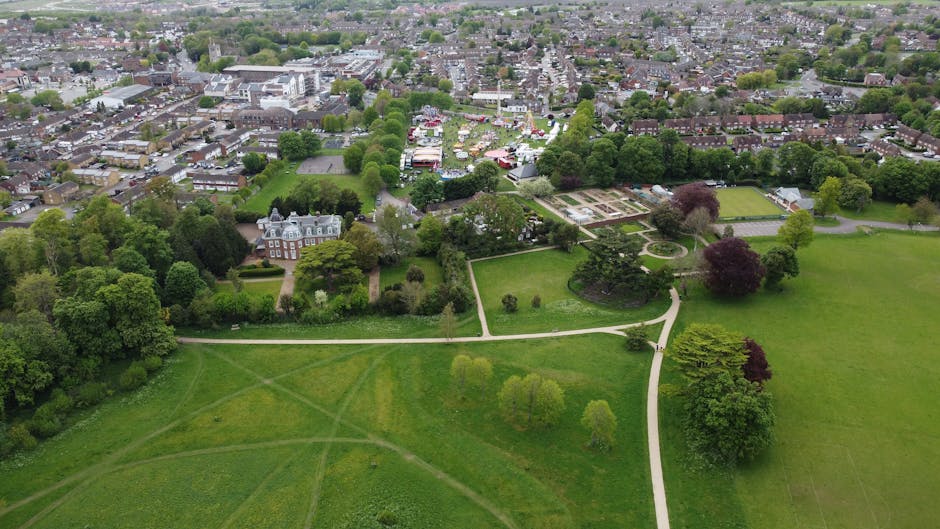
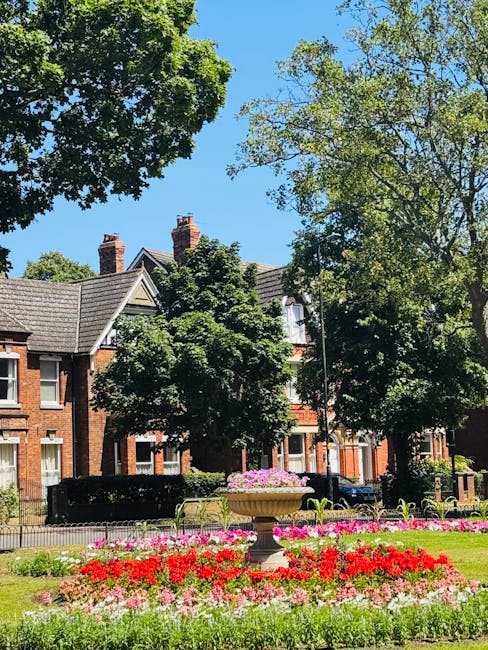
Oak Hill Park garden maintenance specialists New Barnet: practical, reliable care for gardens that need to look good all year
If you live near Oak Hill Park, you already know the difference a well-kept garden makes. It can turn a hurried morning into something calmer, and a tired outdoor space into somewhere you actually want to sit with a mug of tea. The challenge is that gardens in New Barnet do not stay tidy by accident. Borders creep, lawns thin out, hedges surge, weeds settle in, and suddenly the weekend disappears into chores.
That is where Oak Hill Park garden maintenance specialists New Barnet come in. This guide explains what specialist garden maintenance usually includes, why it matters in a local setting, how a proper maintenance routine works, and what to look for before you book anyone. It is written for homeowners, landlords, busy families, and anyone who wants the garden to feel under control without spending every spare hour on it.
There is no magic wand here, sadly. But there is a sensible way to keep a garden healthy, neat, and easier to manage over time.
Expert summary: Good garden maintenance is not just about cutting things back. It is about reading the site, timing the work well, and making small, regular improvements so the garden becomes easier to live with, not harder.
Table of Contents
- Why Oak Hill Park garden maintenance specialists New Barnet Matters
- How Oak Hill Park garden maintenance specialists New Barnet Works
- Key Benefits and Practical Advantages
- Who This Is For and When It Makes Sense
- Step-by-Step Guidance
- Expert Tips for Better Results
- Common Mistakes to Avoid
- Tools, Resources and Recommendations
- Law, Compliance, Standards, or Best Practice
- Options, Methods, or Comparison Table
- Case Study or Real-World Example
- Practical Checklist
- Conclusion
- Frequently Asked Questions
Why Oak Hill Park garden maintenance specialists New Barnet Matters
Local garden maintenance matters because gardens around Oak Hill Park face the same broad pressures that most New Barnet gardens do, but with their own quirks. Shade from established trees, compacted soil, narrow access, windy corners, overlooked side returns, and mixed planting can all make routine upkeep trickier than it first looks. One patch is doing fine; another is sulking in dry shade. It happens.
A specialist understands that a garden is not just a list of tasks. It is a living system. If the lawn is struggling near hedges, the problem may not be the grass at all. Shade, root competition, and moisture balance can all play a role. For a deeper look at that issue, it is worth reading why grass struggles around evergreens.
Maintenance also matters because small problems become expensive problems when they are ignored. Ivy creeps into mortar, hedges lose shape, moss takes over paving, and weeds get stubborn. A neat garden can slide into a neglected one faster than people expect. Truth be told, most gardens do not collapse in one dramatic moment; they just quietly drift.
In a busy part of London, that drift is easy to miss until the space starts feeling smaller, darker, or harder to use. Good maintenance prevents that. It protects the look of the garden, but also its health, safety, and long-term value.
How Oak Hill Park garden maintenance specialists New Barnet Works
Professional garden maintenance is usually built around assessment, routine care, and seasonal adjustment. The best results come from a plan rather than a one-off tidy-up. A good specialist will first look at the site in a practical way: what is growing, what is failing, what is overextending, and what is making the whole space harder to maintain.
That might lead to a regular visit schedule, or it might start with a one-time reset if the garden has become overgrown. If the space has been left for a while, a reset can make a huge difference. There is a useful article on taming a neglected garden that explains the logic behind bringing a space back under control without overdoing it.
From there, maintenance normally includes combinations of the following:
- Lawn mowing and edging
- Weed control in borders, paths, and hard surfaces
- Hedge trimming and shaping
- Pruning shrubs, climbers, and small trees where appropriate
- Deadheading, cutting back, and seasonal tidy-ups
- Border clearance and mulching
- Path, patio, and decking cleaning
- Basic soil and planting improvements
- Removal of invasive growth, such as ivy or suckering plants
The key point is that maintenance should match the garden, not force the garden to match a generic checklist. A small courtyard with containers needs a different rhythm from a larger family garden with hedges, shade, and lawn. That sounds obvious, but it is where many rushed jobs go wrong.
If a provider also covers related work like general garden maintenance, lawn care, lawn mowing, and hedge trimming in New Barnet, that can make it easier to keep everything coordinated. Fewer gaps. Less faff.
Key Benefits and Practical Advantages
There is the obvious benefit first: the garden looks better. But in practice, the real value runs deeper than neatness.
1. The garden becomes easier to use.
Paths are clearer, seating areas feel more inviting, and you do not have to dodge brambles every time you go outside. That makes an ordinary garden feel more like part of the home.
2. Plant health usually improves.
Regular cutting, deadheading, pruning, and soil management reduce stress on plants. It also helps specialists spot early signs of trouble, such as pest damage, dieback, or poor drainage.
3. You avoid the panic-clean.
Most people know this one. The garden gets ignored for weeks, then suddenly there is a birthday, a barbecue, or a viewing. A maintenance routine keeps you out of that last-minute scramble.
4. The property feels cared for.
This matters for homeowners and landlords alike. A tidy front or rear garden quietly changes the whole feel of a property. Not flashy. Just better.
5. You get better long-term value from planting.
Plants that are cut, fed, mulched, and spaced properly tend to perform better over time. That is especially true for hedges, climbers, and beds where one neglected season can throw off the next two.
6. Safety improves.
Overgrown routes, slippery paving, and unstable branches are more than an eyesore. They can become a nuisance or a hazard. Good maintenance deals with those risks before they escalate.
For gardens that need smarter planting as well as upkeep, it can help to think about low-maintenance layers such as ground cover planting or container-led ideas from container gardening. Sometimes the best maintenance decision is choosing plants that simply behave themselves a bit better.
Who This Is For and When It Makes Sense
Not every garden needs the same level of support. Some owners enjoy doing most of the work and just want help with the heavier, sharper, or more time-consuming jobs. Others need regular scheduled maintenance because they are juggling work, family, travel, or a second property. Both are valid.
This service makes particular sense if you:
- Have a garden that feels permanently behind on upkeep
- Need reliable help rather than occasional ad hoc tidying
- Own a property with hedges, lawns, borders, and paved areas that all need different care
- Have recently moved in and want to get the garden under control
- Manage a rental property and need an outdoor space to stay presentable
- Prefer a local, consistent team that understands the area and the usual growth patterns
It is also useful for households with pets or children, because the garden often needs to be practical as well as attractive. For example, a family may want fewer thorny plants, better visibility across play areas, and safer paths. Pet owners may want surfaces that are easier to clean and planting that can handle a bit of enthusiastic trampling. There is a handy guide on gardening for dog lovers if that sounds familiar.
And if the garden has a lot of shade, privacy planting, or vertical growth, regular maintenance is even more important. Climbers and dense shrubs can transform a space, but they can also take over if no one keeps an eye on them. You can see the logic in this piece on evergreen climbers in shade and effective privacy hedges.
Step-by-Step Guidance
Here is a sensible way to approach garden maintenance in Oak Hill Park and the wider New Barnet area.
- Walk the garden properly.
Start with a slow look at what is actually happening. Where is growth strongest? Where is soil bare? Which areas get morning sun, afternoon shade, or constant wind? - Identify priorities.
Do not try to fix everything at once. Sort tasks into urgent, seasonal, and cosmetic. For instance, a damaged hedge is more urgent than a bed that merely looks a bit tired. - Clear the obvious problems.
Remove debris, fallen branches, dead annuals, and weeds that are already setting seed. This creates breathing room, which sounds dramatic but is genuinely useful. - Address the structure.
Trim hedges, shape shrubs, and deal with access routes. Structure is what makes the garden feel intentional rather than chaotic. - Repair the surfaces.
Mossy paving, slippery decking, and dirty patios can make a garden feel neglected even when the planting is fine. Consider related help such as patio cleaning or decking services if those areas have gone dull or slippery. - Improve the soil and mulching.
Healthy soil changes everything. Compost, mulch, and careful feeding reduce stress and keep moisture in the root zone. - Plan the next visit.
Maintenance works best when it is repeated. Even a garden that looks great after one session can start drifting again if no follow-up is scheduled.
A small point, but an important one: do not confuse speed with quality. A tidy-up that looks good for three days and then falls apart was never really a tidy-up. It was just a fast one.
Expert Tips for Better Results
Over time, the little decisions matter more than the big dramatic ones.
Work with the site, not against it. If a part of the garden stays damp and shaded, do not keep replacing plants that hate those conditions. Choose shade-tolerant planting or use that area for structure, seating, or low-maintenance ground cover.
Trim for shape, not just size. A hedge that is hacked back to the same line every time can become thin and unhappy. Better hedge work preserves density and encourages clean regrowth. There is a good overview in advanced hedge techniques.
Keep an eye on seasonal timing. Late winter, early spring, and early autumn are often key windows for pruning, planting, and hard resets. Not every plant agrees, of course, but timing avoids needless stress.
Leave room for airflow. Dense planting without enough space can invite disease or make maintenance awkward. This comes up a lot in narrow gardens and side returns.
Use weeds as clues. Repeated weed patterns often point to compacted soil, bare ground, or too much disturbance. If you only remove the visible weeds, they tend to return like uninvited relatives.
Think about weather resilience. Local gardens need to cope with wind, wet spells, and occasional heat. A few practical ideas are explored in overcoming windy garden conditions and helping gardens survive extreme weather.
Keep maintenance visually calm. Even a busy planting scheme feels better when edges are crisp and repeated elements are balanced. If you want a softer, more meditative feel, zen garden ideas can be surprisingly useful, even in modest-sized spaces.
Common Mistakes to Avoid
Most maintenance problems are not dramatic. They are just repeated little misjudgements.
- Cutting everything at once. A hard reset can be necessary, but if you strip back every plant in one go, you may lose flowering, shape, or nesting cover. Better to work with intent.
- Ignoring root competition. Trees, hedges, and climbers can quietly dominate nearby planting. If grass keeps failing in one spot, there may be a structural reason rather than a mowing issue.
- Leaving ivy unchecked. Ivy can be attractive in the right place, but once established in the wrong place it becomes a job, not a feature. For a closer look, see permanent ivy removal strategies.
- Using the wrong plant in the wrong place. A sun-loving shrub shoved into deep shade will never look its best. This is one of the simplest mistakes to avoid, yet it happens all the time.
- Forgetting the hard surfaces. A clean lawn beside dirty paving feels oddly unfinished. The whole garden should be considered as one space.
- Leaving seasonal jobs until they become emergencies. Winter protection, pruning, and leaf management are easier before problems build up. There is useful context in winter plant protection.
And yes, sometimes the issue is simply not enough time. That is not a personal failing. Life is busy. The garden, unfortunately, does not always care.
Tools, Resources and Recommendations
Good maintenance depends on having the right tools, but more importantly, knowing when to use them. A sharp mower, clean secateurs, hedge trimmers, pruning saws, a sturdy rake, a wheelbarrow, and decent gloves go a long way. So do protective basics such as eye protection when cutting back dense growth.
If you are doing any of the work yourself between visits, a useful starting point is the article on indispensable garden tools. For more self-sufficient planting ideas, homegrown herbs and vertical gardening ideas are practical options in smaller New Barnet spaces.
Other useful support pages when planning work include:
- pricing and quotes for understanding how work is typically scoped
- health and safety policy for how careful site work is handled
- insurance and safety for peace of mind around risk and responsibility
- about us if you want to understand the wider approach
If your garden relies heavily on planting and small-space design, you may also find low-cost, easy-care tips and first-garden tips helpful for keeping maintenance manageable over the long term.
Law, Compliance, Standards, or Best Practice
Garden maintenance is not usually a heavily regulated activity in the way some trades are, but that does not mean standards do not matter. Good practice still matters a great deal. In the UK, safe use of tools, sensible waste handling, and respecting neighbouring boundaries are all part of professional, responsible work.
In practical terms, that means a specialist should think about access, manual handling, cutting safety, and whether work near trees, fencing, or structures needs extra care. It also means taking care with waste removal and avoiding mess that drifts onto neighbouring property. Nobody wants hedge clippings in the wrong garden. It is one of those tiny things that can sour a good job.
Best practice also includes being clear about scope and expectations. If a job involves more than standard upkeep, such as tree work, damaged fencing, or a larger redesign, it should be discussed properly rather than assumed. Related services such as tree surgery, fencing, and landscaping are better treated as separate, clearly defined pieces of work.
For customer care and trust, it is also sensible to look at pages like terms and conditions, payment and security, privacy policy, cookie policy, modern slavery statement, and complaints procedure. Those pages may not sound glamorous, but they tell you a lot about how a business handles the unglamorous parts properly. Which is, frankly, half the battle.
Options, Methods, or Comparison Table
Not every garden needs the same type of maintenance arrangement. Here is a simple comparison to help you decide what makes sense.
| Option | Best for | Strengths | Limitations |
|---|---|---|---|
| One-off tidy-up | Overgrown gardens, pre-event clean-ups, move-in resets | Fast visible improvement, useful starting point | Can drift again without follow-up |
| Regular maintenance visits | Busy households, rental properties, established gardens | Consistent standards, easier to budget and plan | Less useful if the garden needs major recovery first |
| Seasonal maintenance | Gardens that change sharply through the year | Good for pruning, resets, leaf fall, and spring preparation | May not keep lawns and borders as even as more frequent care |
| Maintenance plus improvement work | Gardens needing both upkeep and problem-solving | Combines routine care with upgrades | Usually more involved and requires clearer planning |
For many Oak Hill Park homes, the best choice is a hybrid approach: a larger initial tidy-up followed by smaller, regular maintenance visits. That way the garden stops fighting you. Which, to be fair, is what most people want in the first place.
Case Study or Real-World Example
Consider a typical New Barnet garden with a narrow side passage, a medium lawn, a mixed border, two hedges, and a shaded back corner. On paper, it sounds manageable. In real life, it has become just a bit too much. The lawn is patchy near the hedge line, ivy has begun to wander, the patio is slippery after damp weather, and one shrub is blocking the path to the shed.
The first maintenance visit would probably focus on clearance and structure. That means cutting back overgrowth, removing the worst weeds, re-establishing edges, and reducing the shading pressure around the lawn. If the ivy is in the wrong place, it should be handled early rather than left to anchor itself further. The shaded corner might be switched to lower-maintenance planting or ground cover, rather than forcing more turf into a spot it dislikes.
By the second or third visit, the work becomes lighter. The garden is easier to move around, and the owner can see where the problems used to be. Then the focus shifts to keeping that progress going: trimming hedges before they throw the space out of balance, mowing at the right intervals, and clearing dead material before it builds up.
The interesting part is that the garden often feels bigger after maintenance, even though nothing physical has changed except the layout and the clarity. That is the real payoff. Space is not only measured in square metres. It is measured in how easily you can use it without feeling irritated every five minutes.
Practical Checklist
Use this checklist before booking or starting work.
- Walk the whole garden and note the most urgent issues
- Identify shady, windy, damp, or awkward areas
- Decide whether you need a one-off reset or regular upkeep
- Check which areas need mowing, pruning, weeding, or hedge work
- Look for invasive growth such as ivy or bramble
- Assess patios, paths, decking, and other hard surfaces
- Think about pet access, child safety, and day-to-day use
- Review whether any planting is simply in the wrong place
- Ask for a clear scope before work begins
- Plan follow-up maintenance rather than waiting for another overgrowth cycle
If you are planning bigger changes after the maintenance phase, it can help to explore gardening services alongside more specific support such as lawn mowing, patio cleaning, and getting in touch to discuss the job properly.
Conclusion
Oak Hill Park garden maintenance specialists New Barnet are about more than keeping things neat. They help gardens stay usable, healthier, and much easier to live with. Whether your space needs a careful tidy-up, regular seasonal attention, or a more structured recovery plan, the right maintenance approach can stop small issues from becoming permanent ones.
The best results usually come from a calm, consistent rhythm: clear what is dragging the garden down, improve the structure, support the planting, and then keep it ticking over. Simple enough in theory. In practice, it makes all the difference.
If your garden has been quietly asking for help for a while, that is not a problem. It just means the right time to act is now, before another season slips away.
Get a free quote today and see how much you can save.
A well-kept garden has a way of restoring the mood of a whole home. Sometimes the change is as simple as clearing a path and hearing the birds again.
Frequently Asked Questions
What do garden maintenance specialists in Oak Hill Park usually do?
They typically handle mowing, hedge trimming, weeding, pruning, border tidying, seasonal cutbacks, and general garden clean-up. Some also help with patios, decking, and light planting improvements.
How often should a garden in New Barnet be maintained?
It depends on the size of the garden and how quickly it grows. Many gardens benefit from regular visits during the growing season, then lighter attention in colder months.
Is a one-off tidy-up enough?
Sometimes, yes, especially if the garden just needs a reset before summer or after a long period of neglect. But if the space grows quickly, a follow-up plan usually works better.
Can maintenance help with a neglected garden?
Absolutely. A neglected garden often needs staged work, starting with clearance and structural tidying before moving on to ongoing upkeep. It is usually more manageable than people expect once the first pass is done.
What is the difference between garden maintenance and landscaping?
Maintenance keeps an existing garden in good shape. Landscaping changes the layout, structure, or features of the garden more significantly. They can overlap, but they are not the same thing.
Will garden maintenance include weed control?
Usually, yes, at least as part of general upkeep. The exact level of weed control depends on the job scope and whether the weeds are in borders, paving, lawns, or structural planting.
Can specialists deal with overgrown hedges and climbers?
Yes, and that is often one of the most valuable parts of the service. Overgrown hedges and climbers can quickly dominate a space if they are left unchecked.
Do I need regular maintenance if my garden is small?
Often, yes. Small gardens can look tidy very quickly, but they can also become cluttered or overgrown surprisingly fast. A little ongoing care goes a long way.
How do I know if my lawn needs more than mowing?
If the lawn is patchy, mossy, shaded, or thin in certain areas, mowing alone will not solve the issue. Soil condition, shade, drainage, and competition from nearby plants may need attention too.
Are pets and children considered during garden maintenance?
They should be. A good plan takes account of access, safety, plant choice, and surface conditions so the garden works for the people and animals using it.
What should I ask before booking a maintenance visit?
Ask what is included, how the work is prioritised, whether waste is removed, and whether follow-up visits are recommended. Clear expectations usually lead to better results.
How do I get started with Oak Hill Park garden maintenance specialists New Barnet?
Start by noting the main problems in your garden and deciding whether you need a one-off clean-up or recurring support. Then contact a local team to talk through the condition of the space and the kind of finish you want.