
 020 3744 3778
Tips to Cultivate a Garden That Sparks Children's Imagination
Posted on 31/08/2025
Tips to Cultivate a Garden That Sparks Children's Imagination
Every child possesses a boundless imagination and an innate curiosity about the world. A well-crafted garden can become a magical portal, providing endless opportunities for exploration, learning, and creativity. Whether you have a sprawling backyard or a modest balcony, with thoughtful planning and a touch of ingenuity, you can create a captivating outdoor space that inspires young minds.
Why Create a Garden to Inspire Kids' Imagination?
- Encourages Outdoor Exploration: Gardening stimulates children's senses and invites hands-on discovery.
- Boosts Creativity: Unstructured time in nature fosters imaginative play and storytelling.
- Supports Emotional and Social Development: Cooperative projects nurture teamwork, patience, and responsibility.
- Enhances learning opportunities across science, math, art, and the environment.
Remember: a garden for kids does not have to be perfect - it should prioritize fun, intrigue, and safety over perfection.
1. Choose Engaging Garden Themes
Storybook-Inspired Spaces
Inspire imaginative adventures by designing the garden like a scene from a treasured storybook. Create a secret corner for fairy tales, a wildlife habitat for jungle explorers, or a dinosaur dig site for budding paleontologists.
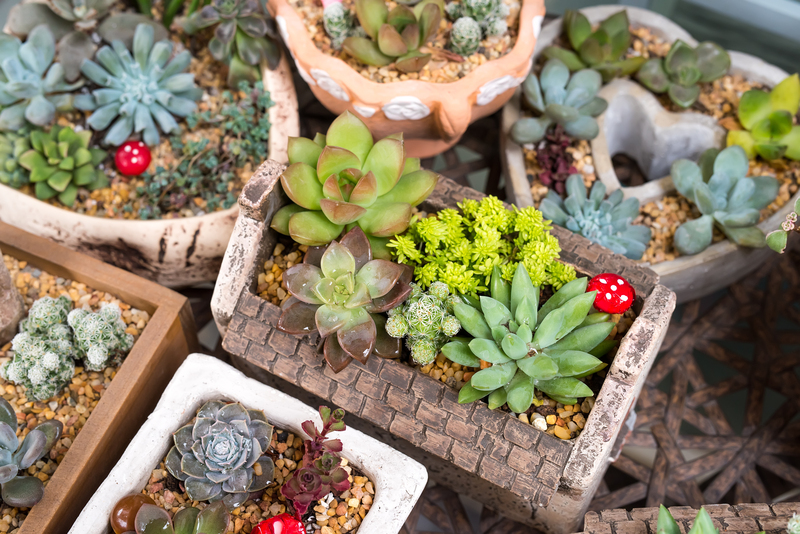
- Fairy Gardens: Use miniature houses, sparkly stones, and tiny winding paths. Encourage children to craft their own fairy doors or signs.
- Enchanted Forest: Plant whimsical trees and shrubs, and add tree stumps or logs for seating and climbing.
- Pirate Cove or Mermaid Lagoon: Fill with blue flowers, sparkling gravel, and seashells for a marine-themed mystery.
Plant a Sensory Wonderland
Young children learn best when all their senses are engaged. A sensory garden brimming with fragrant, textured, colorful, and flavorful plants offers unending discovery:
- Touch: Woolly lamb's ear, spiky ornamental grasses, soft moss, and hearty sunflowers
- Smell: Lavender, mint, lemon balm, and sweet alyssum
- Sight: Sunflowers, nasturtiums, and rainbow chard bring vibrant colors
- Taste: Strawberries, cherry tomatoes, and sugar snap peas are safe and delicious
- Sound: Feather grass or bamboo that rustles in the breeze, and wind chimes crafted by your kids
2. Get Kids Involved from the Start
Children are more likely to engage with and appreciate a garden they help create.
- Let them choose plants, decorations, and garden themes.
- Assign age-appropriate tasks--from watering to decorating labels--to build responsibility and pride.
- Encourage experimentation: Let them try growing unusual veggies or starting a tiny patch of wildflowers from seed.
Design with Safety and Accessibility in Mind
For a children's imaginative garden to be utterly enjoyable, keep it safe and accessible:
- Use non-toxic, kid-safe plants (avoid nightshades, foxglove, and oleander).
- Choose smooth stones, rounded logs, and soft mulch for pathways.
- Ensure beds are low or use raised planters at child height.
- Install gates or clear boundaries if the space is near roads or water features.
3. Create Interactive Garden Features
Magical Hideaways and Play Spaces
- Willow Teepees or Tunnels: Train living willow branches to weave natural hideouts for reading or storytelling.
- Mini Forts and Tents: Use fabric, bamboo poles, or pallets. These are perfect for role-play and quiet contemplation.
- Secret Paths: Lay winding stepping stone trails or pebble mosaics, leading to 'hidden' treasures.
Water and Sand Exploration
- Mini Ponds or Birdbaths: Observe frogs, bugs, and birds; float leaves or flower boats.
- Install a sandpit: Dig, build, and discover 'fossils' or natural artifacts.
Create "Potion" or "Mud" Kitchens
- Set up outdoor counters or shelves with old pots, pans, and utensils.
- Encourage mixing soil, petals, seeds, and "magic" ingredients for creative concoctions.
4. Add Art and Fantasy to the Garden
Whimsical Decorations
- Painted rocks as ladybugs or storybook characters.
- DIY wind chimes from beads, shells, or recycled objects.
- Colorful homemade plant labels with fun facts or silly names.
- Solar fairy lights or glow-in-the-dark stones for nighttime enchantment.
Encourage Nature Art
Set up a small "art corner" equipped with outdoor easels, biodegradable paints, or natural materials for crafting collages and mandalas. Scavenger hunts for leaves, twigs, and feathers provide endless creative opportunities.
5. Incorporate Elements for Wildlife
Children's fascination with living creatures ignites imaginative tales and a connection to the environment.
- Butterfly and Bee Gardens: Plant milkweed, echinacea, cosmos, and lavender to attract pollinators.
- Nest boxes, bug hotels, and log piles for observing insects and small mammals.
- Shallow birdbaths or small ground ponds allow for watching birds bathe and drink.
- Place binoculars or magnifiers nearby for close investigation of garden life.
6. Make Learning Fun and Interactive
Start a Mini "Science Lab"
- Install a weather station or simple rain gauge to record real-world data.
- Keep observation journals for plant growth, leaf changes, and visiting animals.
- Try simple experiments like sprouting beans in jars or comparing sun vs. shade growth.
Grow Unusual or Themed Plants
- "Giant" sunflowers, pumpkins, or runner beans compete for dramatic impact.
- Plant "pizza" gardens with tomatoes, oregano, and basil together.
- Pair fun-shaped veggies (purple carrots, "lemon" cucumbers) with stories or recipes.
7. Plan for All Seasons
To keep the magic alive all year:
- Plant bulbs for spring surprises and evergreens for winter structure.
- Provide sheltered spots, bird feeders, and log piles for snowy months.
- Let fall leaves and seed heads remain for wildlife and artistic inspiration.
8. Foster Imagination Through Garden Tales and Celebrations
- Host "story hours" outdoors, letting children invent stories about the garden's inhabitants.
- Stage simple nature plays, fairy festivals, or scavenger hunts.
- Let children pick "magic" harvests, such as the first ripe berry or the biggest sunflower.
9. Encourage Unstructured Play and Discovery
Avoid over-planning--allow time for children to daydream, invent, and discover at their pace. Nature is the best playground.
10. Cultivate a Connection Beyond the Backyard
- Visit local botanical gardens or parks for new plant and landscape inspirations.
- Encourage participation in community gardening projects or wildlife counts.
- Share garden stories, photos, or "nature news" as a family or classroom activity.
Best Plants to Fuel Children's Imagination
- Sunflowers: Towering giants that feel like a secret forest.
- Sensitive plant (Mimosa pudica): Folds its leaves when touched--pure magic!
- Snapdragons: Squeeze the flowers for "talking dragons."
- Lamb's Ear: Velvety-soft and irresistible to touch.
- Scented Geraniums: Crumple leaves for scents of lemon, chocolate, or mint.
- Pumpkins and Gourds: Encourage carving, painting, and harvest celebrations.

Final Thoughts: Growing Wonder, Creativity, and Connection
Creating a garden that sparks children's imagination is about far more than plants. It's about nurturing a sense of wonder, curiosity, and belonging. It doesn't require a large yard or professional design--just your encouragement, willingness to experiment, and the freedom for children to play, explore, and dream.
Start small, adapt as your children grow, and above all, have fun together! With these tips to cultivate a garden that sparks children's imagination, you'll grow not just beautiful plants but joyful memories and a lifelong love of nature.
Frequently Asked Questions
- How can I make a small space or balcony garden imaginative for kids?
Use container gardening, vertical planters, and compact fairy gardens. Add bean pole teepees, edible herbs, or a collection of miniature succulents to make even tight spots magical. - What are the best gardening tools for children?
Choose lightweight, child-sized hand tools made of durable plastic or wood. Watering cans, miniature gloves, and simple spades work wonders for small hands. - How do I keep a kids' garden low-maintenance?
Plant hardy, drought-resistant varieties; mulch beds well to suppress weeds; and use raised beds or containers to simplify care and access.
Let your garden be a living storybook that unfolds with every visit--nurturing imagination, excitement, and a sense of wonder in every child.
Latest Posts
Get Inspired: Designing Awe-Inspiring Seating Areas in Your Garden
Conquer Weeds Effortlessly with 3 Innovative Tips
Overcoming the Challenges of a Windy Garden Environment